
 08045800677


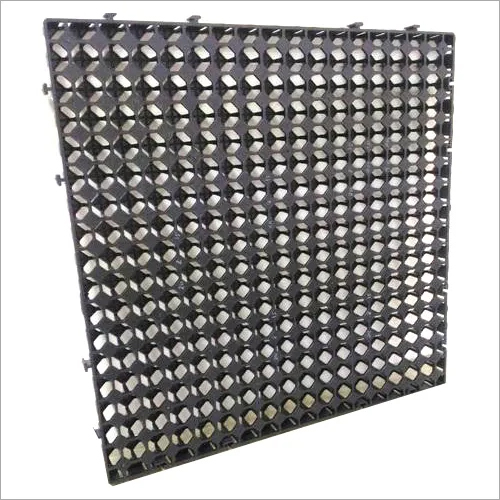
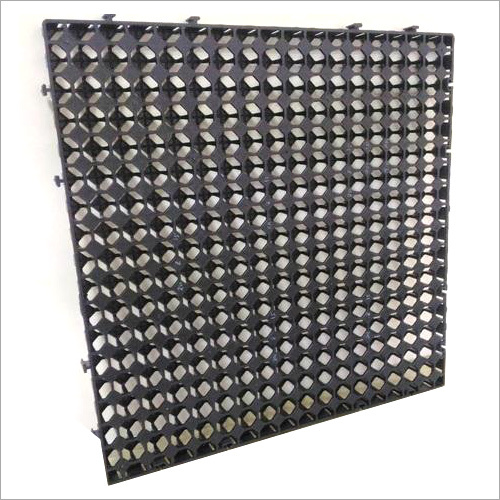
Plastic Drainage Cells
120.00 - 150.00 INR/Piece
Product Details:
- Application Landscaping, Garden Drainage, Roofing, Podium Slabs
- Diameter Cell inner diameter approx. 20-30 mm
- Material Grade Virgin/ Recycled HDPE
- Thickness 20 mm, 25 mm, 30 mm (varies by product)
- Features Lightweight, Resistant to root and rot, Easy installation
- Form Sheet/Cellular Panel
- Usage Stormwater management, Garden & landscaping
- Click to View more
X
Plastic Drainage Cells Price And Quantity
- 120.00 - 150.00 INR/Piece
- 200 Piece
- Store in dry place, away from direct sunlight
- Stacked or packed in palletized bundles
- 1500 kN/m
- >25 years under normal use
- 8.5 L/s/m
- Recyclable material
- Class B (Tested as per standards)
- -30C to +80C
- Excellent, suitable for use with fertilizers and soil acids
- Interlocking lateral and vertical joints
Plastic Drainage Cells Product Specifications
- High compressive strength, Lightweight, Durable
- 500 mm x 500 mm
- Loose lay, Interlocking system
- Up to 100-150 t/m (varies based on thickness)
- Commercial grade
- Not Applicable (Installed Manually)
- Black
- 20 mm, 25 mm, 30 mm (varies by product)
- Square/Modular grid
- Plastic Drainage Cell
- High-Density Polyethylene (HDPE)
- Sheet/Cellular Panel
- Stormwater management, Garden & landscaping
- Lightweight, Resistant to root and rot, Easy installation
- Uncoated/Plain
- Cell inner diameter approx. 20-30 mm
- Landscaping, Garden Drainage, Roofing, Podium Slabs
- Approximately 1.3 kg per panel
- Virgin/ Recycled HDPE
- Store in dry place, away from direct sunlight
- Stacked or packed in palletized bundles
- 1500 kN/m
- >25 years under normal use
- 8.5 L/s/m
- Recyclable material
- Class B (Tested as per standards)
- -30C to +80C
- Excellent, suitable for use with fertilizers and soil acids
- Interlocking lateral and vertical joints
Plastic Drainage Cells Trade Information
- 500 Piece Per Day
- 10 Days
- Yes
- Contact us for information regarding our sample policy
Product Description
Plastic Drainage Cells
The Plastic Drainage Cells are a kind of light board made of HDPE or PP by means of heating, pressurization and sizing, which can not only create a drainage channel with certain stereo space support stiffness, but also is able to impound water. Drain Cells provides a uniform surface as well as an internal void space for effective draining of excess water. Drainage Cell allows water to pass into the drainage core while keeping soil particles out. This kind of Drainage Cells integrates the functions of storage and drainage of water. The offered Plastic Drainage Cells are very efficient and easy to use.
Specification
| Material | Plastic |
| Load Capacity | 120 Tons per M2 |
| Shape | RECTANGLE |
| Color | BLACK |
| Dimension | 250X500X20 mm |
| Thickness | 20mm |
| Void Storage Area | 70-80% |
| Application | Drainage |
Exceptional Strength and Durability
Plastic Drainage Cells are engineered for tough environments, offering a compressive strength of 1500 kN/m and load capacities up to 150 t/m (depending on thickness). Their construction from virgin or recycled HDPE provides remarkable impact resistance, withstanding both heavy loads and frequent thermal cycling, making them ideal for commercial and residential landscaping projects.
Efficient Water Management
Featuring a flow rate of 8.5 L/s/m, these drainage cells enhance efficient water displacement, preventing waterlogging in gardens, roofs, and podium slabs. Their cellular panel design promotes rapid drainage, supports healthy plant growth, and reduces structural damage from standing water, ensuring sustainability in landscaping and stormwater applications.
Easy and Flexible Installation
Designed for convenience, the drainage cells use an interlocking system for both lateral and vertical connection. Their lightweight profile (1.3 kg per panel) enables manual installation, eliminating the need for heavy machinery. They can be installed loose lay style, stacked, or bundled on pallets, allowing flexibility for different project requirements and site conditions.
FAQs of Plastic Drainage Cells:
Q: How are these Plastic Drainage Cells installed in landscaping or roofing applications?
A: The drainage cells are designed for manual installation using an interlocking system, which connects panels both laterally and vertically for structural stability. Simply lay the panels in the desired area and snap them together for a secure fitno special tools or heavy machinery required.Q: What benefits do Plastic Drainage Cells offer over traditional drainage materials?
A: Compared to conventional solutions, these drainage cells are lightweight, easy to handle, and offer superior water flow and high compressive strength. Their resistance to root intrusion, rot, chemicals, and temperature variations results in a long service life and reduced maintenance.Q: When should Plastic Drainage Cells be used in landscaping projects?
A: These cells are recommended for any project requiring efficient water drainage, such as green roofs, podium slabs, gardens, planter beds, and outdoor landscaping. They are especially beneficial in areas prone to water accumulation or where soil health and root protection are priorities.Q: Where can Plastic Drainage Cells be applied for optimal performance?
A: They are suitable for a range of applications including rooftop gardens, stormwater management systems, landscaping beds, and podium slab drainage. Their modular shape and variable thickness enable customization for different site needs.Q: What makes these drainage cells environmentally friendly?
A: Manufactured from recyclable HDPE, the panels are designed with eco-friendliness in mind. They contribute to sustainable construction as they can be recycled at the end of their service life and aid in rainwater harvesting and green infrastructure solutions.Q: Can the drainage cells handle exposure to aggressive chemicals and fertilizers?
A: Yes, these panels are engineered for excellent chemical resistance, including resistance to fertilizers and acidic soils, making them suitable for demanding agricultural and horticultural environments.Q: How should the drainage cells be stored before installation?
A: Store the drainage cells in a dry location, away from direct sunlight to preserve their structural integrity. They can be stacked or stored in palletized bundles, ready for easy transportation and installation.Tell us about your requirement

Price:
Quantity
Select Unit
- 50
- 100
- 200
- 250
- 500
- 1000+
Additional detail
Mobile number
Email

Other Products in 'Drainage Cell' category

Contact Details
GST : 33AAFCP7262H1ZD

- Plot No. B-3, Sipcot Phase-I, SIDCO Industrial Estate, Hosur, Krishnagiri - 635126, Tamil Nadu, India
- Phone :08045800677
- Send Inquiry
 Send Inquiry
- Mr Shankar Narayanan (Managing Director)
- Mobile :08045800677
 Send Inquiry
 Send SMS
|

 |
PRAKASH TECHNO PLAST INDIA PVT. LTD.
All Rights Reserved.(Terms of Use) Developed and Managed by Infocom Network Private Limited. |
