
 08045800677


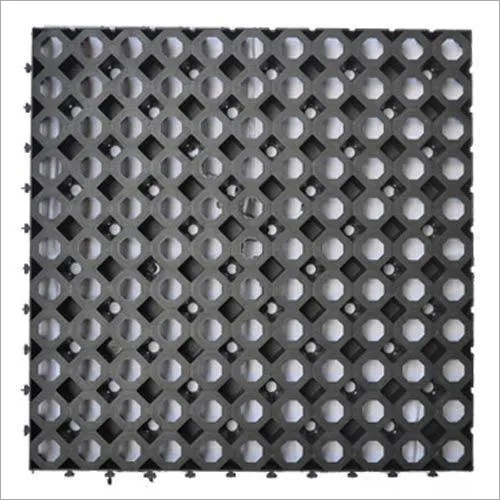
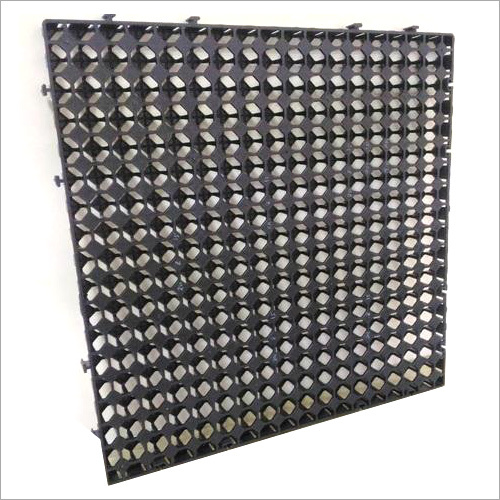
HDPE Drainage Cell
120.00 - 150.00 INR/Piece
Product Details:
- Diameter Cell diameter 45 mm
- Machines Type Manual Installation
- Usage Efficient water drainage management
- Form Cellular Sheet
- Thickness 30 mm
- Purity 99%
- Material Grade Virgin HDPE
- Click to View more
X
HDPE Drainage Cell Price And Quantity
- 120.00 - 150.00 INR/Piece
- 200 Piece
HDPE Drainage Cell Product Specifications
- 99%
- 500 mm x 500 mm
- Virgin HDPE
- Roof Gardens, Basements, Planter Boxes, Podiums
- Up to 16 t/m
- Water retention, Root penetration resistance
- Interlocking Snap-Fit
- 2.08 kg per piece
- Black
- High Density Polyethylene (HDPE)
- Smooth
- High compressive strength, Lightweight, Easy installation
- Efficient water drainage management
- Manual Installation
- Cell diameter 45 mm
- Cellular Sheet
- 30 mm
- Drainage Cell
- Square Grid
- -30C to +80C
- Excellent to acids, alkalis, and salts
- Non-flammable
- UV stabilized
- >30 l/m/sec
- >90%
- More than 25 years
- Recyclable material
HDPE Drainage Cell Trade Information
- 500 Piece Per Day
- 10 Days
- Yes
- Contact us for information regarding our sample policy
Product Description
HDPE Drainage Cell
There is a HDPE Drainage Cell is a kind of high-durability waterproof drainage material less influenced by external factors, which will not cause damage to underground water and ecological environment, and will not impair human health and environment. Drainage Cell mechanism which provides a perfect solution for sub-soil drainage system, in big podiums where drainage issue are critical, drains out the heavy storm water. Drainage Cell is commonly used on buildings platforms and roof top. High-density polyethylene or HDPE is a commonly used petroleum thermoplastic and the most used of the three polyethylenes for a wide range of applications. HDPE Drainage Cell is very effective.
Specification
| Material | HDPE |
| Void Storage Area | 80 % |
| Service Temperature | -30 Degree C to 120 Degree C |
| Drainage Cells Size | 25 mm |
Reliable Drainage Performance for Modern Spaces
With a void ratio greater than 90%, the HDPE Drainage Cell efficiently manages water drainage, mitigating pooling and excess moisture in urban landscapes. Its robust compressive strength and lightweight nature allow for practical installation in high-load areas like podiums, roof gardens, basements, and planter boxes, promoting structural integrity while supporting healthy plant growth.
Engineered for Longevity and Sustainability
Crafted from 99% pure virgin HDPE, this drainage cell boasts more than 25 years of lifespan and is fully recyclable. Its exceptional resistance to acids, alkalis, and salts, combined with a smooth finish and UV stabilization, ensures that it withstands environmental challenges. Installers benefit from easy manual fitting with an interlocking snap-fit design, minimizing labor and ensuring secure placement.
FAQs of HDPE Drainage Cell:
Q: How is the HDPE Drainage Cell installed in landscaping projects?
A: The HDPE Drainage Cell is designed for manual installation using an interlocking snap-fit system. This allows each piece to be quickly and securely connected, making setups on roof gardens, planter boxes, and podiums straightforward and efficient without the need for specialized tools.Q: What are the main benefits of using a drainage cell in water management systems?
A: The drainage cell provides efficient water flow and retention, reducing the risk of flooding, waterlogging, and root rot. Its high compressive strength supports structural loads, promotes healthy root growth by offering root penetration resistance, and contributes to long-term sustainability through recyclability.Q: When should HDPE Drainage Cells be used in construction or landscaping applications?
A: These drainage cells are ideal during the initial setup or renovation of green roofs, basements, planter boxes, and podiums, particularly where effective water drainage and load distribution are critical. Their versatility makes them suitable for new builds and retrofits alike.Q: Where are HDPE Drainage Cells most commonly applied?
A: HDPE Drainage Cells are widely used in roof gardens, planter boxes, basements, and podiums. Their adaptability and durability make them a popular choice for commercial and residential projects throughout India, particularly where effective sub-surface water management is required.Q: What is the installation process for HDPE Drainage Cells?
A: The process involves manually placing the lightweight, square grid cells over prepared surfaces and interlocking them via the snap-fit design. This ensures a stable, gap-free layer that can efficiently manage drainage and support overlaying structural elements. No heavy machinery or adhesives are necessary.Q: How does the HDPE Drainage Cells chemical resistance contribute to its durability?
A: Its resistance to acids, alkalis, and salts protects the drainage cell from chemical degradation commonly encountered in soil and water exposure, ensuring reliable performance and structural integrity over more than 25 years.Q: What makes the HDPE Drainage Cell eco-friendly and safe for long-term use?
A: The drainage cell is made from virgin HDPE, which is fully recyclable. It is non-flammable and UV stabilized, making it safe for diverse environments and reducing ecological impact.Tell us about your requirement

Price:
Quantity
Select Unit
- 50
- 100
- 200
- 250
- 500
- 1000+
Additional detail
Mobile number
Email

Other Products in 'Drainage Cell' category

Contact Details
GST : 33AAFCP7262H1ZD

- Plot No. B-3, Sipcot Phase-I, SIDCO Industrial Estate, Hosur, Krishnagiri - 635126, Tamil Nadu, India
- Phone :08045800677
- Send Inquiry
 Send Inquiry
- Mr Shankar Narayanan (Managing Director)
- Mobile :08045800677
 Send Inquiry
 Send SMS
|

 |
PRAKASH TECHNO PLAST INDIA PVT. LTD.
All Rights Reserved.(Terms of Use) Developed and Managed by Infocom Network Private Limited. |
